





Short-term methods
Contraception to prevent pregnancy for a limited time.
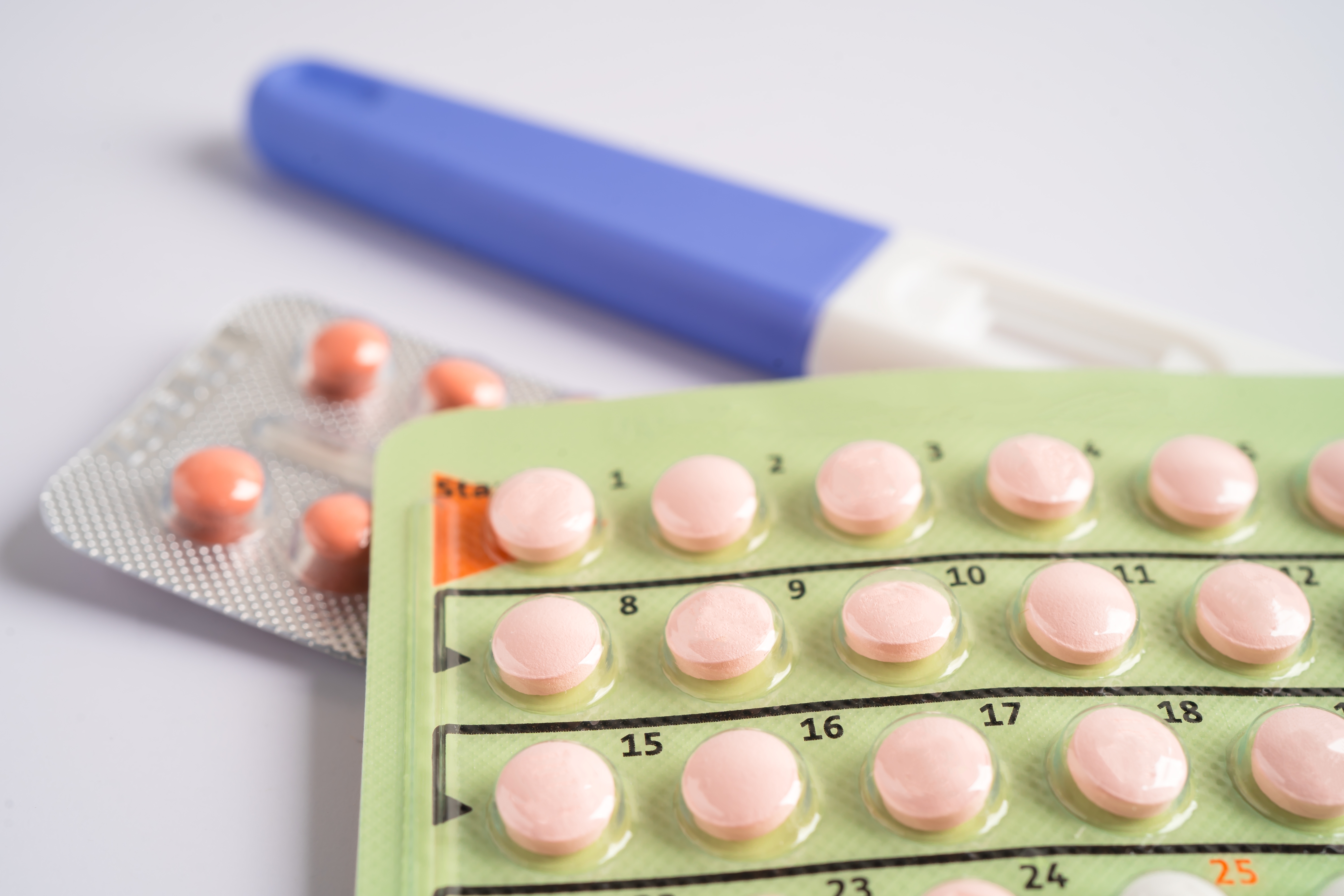
Short-term contraceptive methods prevent pregnancy for a limited time. They are temporary and can be easily stopped when you no longer need them.
Compare the features of the different short-term methods in the table below to find the right one for you.
Talk to us
Contact us to book a contraception consultation.
Efficacy with perfect use
Efficacy with typical use
Hormonal or non-hormonal
Effect on periods
Alleviates painful / heavy periods
Protects against sexually transmitted infections (STIs)
Protection length
Effect on fertility
Combined pill
Mini pill
Patch
Ring
Condoms (internal and external)
More than 99%
99%
More than 99%
More than 99%
95 – 98%
91%
91%
91%
91%
79 – 82%
Hormonal (progestogen and oestrogen)
Hormonal (progestogen-only)
Hormonal (progestogen and oestrogen)
Hormonal (progestogen and oestrogen)
Non-hormonal
It can make your periods lighter, shorter or stop altogether, so it may help people who have heavy or painful periods
It can make your periods lighter, shorter or stop altogether, so it may help people who have heavy or painful periods
It can make your periods lighter, shorter or stop altogether, so it may help people who have heavy or painful periods
It can make your periods lighter, shorter or stop altogether, so it may help people who have heavy or painful periods
No affect on periods
Yes
Yes
Yes
Yes
No
No
No
No
No
Yes
Daily dose
Daily dose
1 week
1 month
Start to finish of sex
Fertility returns to normal immediately once stopped
Fertility returns to normal immediately once stopped
Fertility returns to normal immediately once removed
Fertility returns to normal immediately once removed
Fertility returns to normal immediately once removed
Take the contraception quiz
Our online contraception counsellor will help you understand the best contraception methods for you based on your lifestyle, preferences and medical circumstances.
- Personalised advice in a few minutes
- Tailored pros and cons for each method
- Ability to compare different methods

Contact us about contraception
Contact us to book an appointment.
Frequently asked questions about short-term contraception
Short-term contraceptive methods have many benefits:
– They can be highly effective, when used perfectly
– They are easily reversible
– Your fertility will return to normal immediately after stopping use
– There can be health benefits, such as alleviating painful/heavy periods and improving acne
– With the exception of condoms, many of these methods won’t interrupt sex
If you need help deciding what method is best for you, contact us to book a contraception consultation.
Like with any method of contraception, there are some things you should consider:
– You must use these methods frequently (daily, weekly, monthly, or each time you have sex), so you can’t ‘set and forget’
– How effective these methods are will depend on you using them correctly. For example, missing a pill could mean the contraception doesn’t work as well as it should
– Almost all of these methods do not provide protection against sexually transmitted infections (STIs). Condoms are the only method that does.
– Some people experience side-effects such as weight gain and breast tenderness
If you’re unsure what method to choose, speak to us and we can talk you through your options.
Other contraception available


Choosing the right contraceptive method for you
Just like the perfect pair of heels, a perfect contraceptive method that suits your lifestyle is out there, with a little guidance from us, you can find it. We’ve got a short video explaining questions to …
Read moreCervical Cancer Screening
Globally, cervical cancer is the fourth most prevalent cancer in women. High mortality rates from cervical cancer globally can be reduced by effective interventions through different stages of life. Primary prevention through the HPV vaccination has …
Read more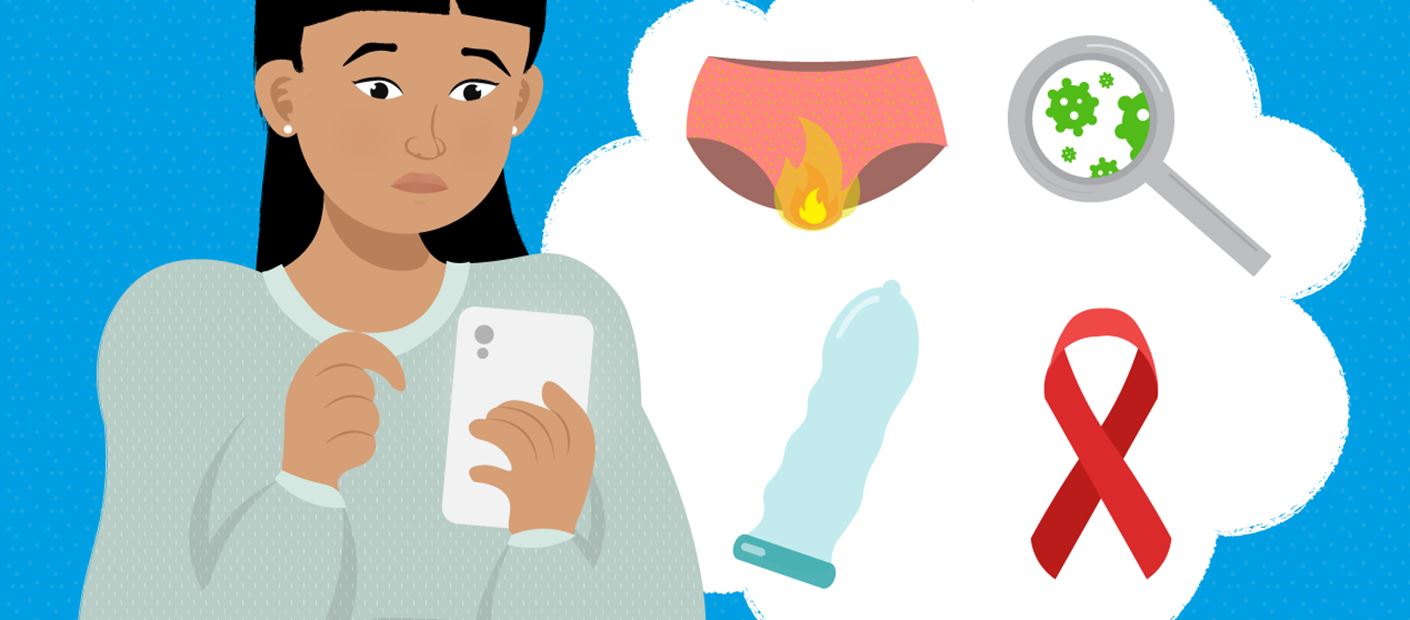
Do I have a sexually transmitted infection?
If you’re worried you’ve caught a Sexually Transmitted Infection (STI), you won’t be alone. STIs, which are also known as STDs (sexually transmitted diseases), are very common. Some STIs have symptoms: you might notice a …
Read more